
Autism Assessment
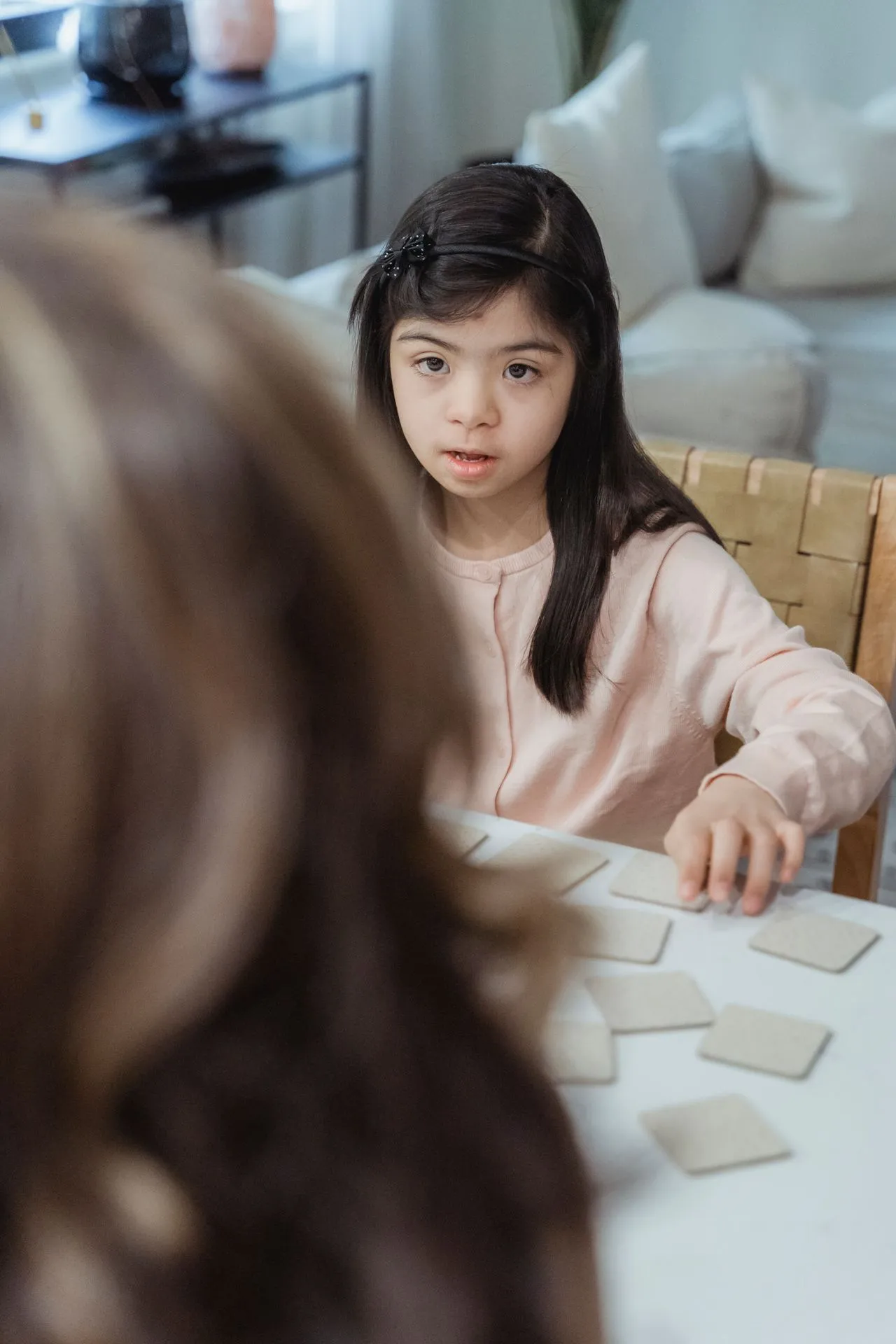
Every child develops at their own pace, and every child experiences the world in their own unique way. While differences in communication, social interaction, behavior, or learning are often part of normal development, there are times when families begin to wonder whether those differences may reflect something more. An autism assessment can provide the clarity needed to better understand your child's strengths, challenges, and individual needs.
At ANCKRD, we provide comprehensive autism evaluations that go beyond simply determining whether a diagnosis is appropriate. Our goal is to understand the whole child by examining developmental history, communication, social interaction, behavior, learning, adaptive functioning, and cognitive strengths. This comprehensive approach helps families gain meaningful insight while providing practical recommendations that can support success at home, at school, and within the community.
Led by Kristen Wilson, LPES, NCSP, our evaluations are individualized, evidence-based, and designed to answer questions with compassion, professionalism, and clarity. Whether concerns have recently emerged or have been present for several years, we are committed to helping families move forward with confidence.
Areas Commonly Evaluated
Every evaluation is individualized, but comprehensive autism assessments typically consider several related areas of a child's development and daily functioning.
Social Communication
- How your child connects and interacts with others
- Conversational and language use in everyday situations
- Non-verbal communication such as eye contact, gestures, and facial expressions
- Understanding of social situations and relationships
Behavior & Flexibility
- Focused or restricted interests
- Repetitive movements, play, or routines
- Responses to change and transitions
- Reliance on predictability and familiar routines
Development
- Early and current language development
- Adaptive functioning across everyday settings
- Daily living and self-care skills
- Developmental history from the earliest years
Learning & Cognitive Skills
- Problem solving and reasoning
- Attention and focus
- Executive functioning, planning, and organization
- Readiness for learning and academic tasks
Strengths
- Individual interests and motivations
- Areas of cognitive strength
- Personal learning style
- The supports that help your child do their best
Who May Benefit From an Evaluation
Families reach out for many reasons. An autism assessment may be helpful when a parent, caregiver, teacher, or provider notices differences such as these — though every child is unique, and no single sign points to autism on its own.
- Limited eye contact or differences in the way your child connects with others
- Language that is developing later or differently than expected
- Difficulty starting or maintaining interactions with peers
- Challenges with transitions or changes in routine
- Sensory differences, such as strong reactions to sound, texture, or light
- Repetitive movements, play patterns, or routines
- Deep, focused interests in particular topics or activities
- Developmental milestones that have raised questions over time
- Concerns shared by a teacher or school about learning or social interaction
- A need for diagnostic clarification to guide services and support
The Assessment Process
Every family's experience is a little different, but the assessment generally moves through the following steps. Throughout the process, our priority is to make you feel informed, comfortable, and supported.
- 1
Consultation
We begin with a conversation about your questions, your observations, and what you hope to learn. This helps us understand your child and plan an evaluation that fits their needs.
- 2
Background Information
We gather a detailed developmental, medical, and educational history, along with your perspective as the person who knows your child best.
- 3
Assessment Sessions
Your child takes part in structured and interactive activities designed to be engaging and appropriate for their age and comfort level.
- 4
Standardized Testing
Well-established, research-based measures are used to look closely at communication, development, and related skills.
- 5
Observations
We observe how your child interacts, plays, and responds in different situations, adding valuable real-world context to the results.
- 6
Feedback Meeting
We meet with you to review the findings together in clear, everyday language and to answer your questions.
- 7
Written Report
You receive a comprehensive written report that summarizes the results and explains what they mean for your child.
- 8
Recommendations
The report includes practical, individualized recommendations you can put to use right away.
Recommendations are always tailored to your child and written with home, school, and community settings in mind, so support can continue everywhere your child learns and grows.
Why Families Choose ANCKRD
Families throughout Upstate South Carolina choose ANCKRD because evaluations are personalized, comprehensive, and grounded in more than two decades of professional experience.
Kristen Wilson has spent over 20 years working with children, families, and schools as a Licensed Psychoeducational Specialist and Nationally Certified School Psychologist. Her experience includes extensive work with autism evaluations, developmental assessments, educational planning, and helping families understand their child's unique learning and developmental profile.
Related Services
Psychoeducational Testing
Comprehensive evaluations that clarify how your child learns, thinks, and performs academically.
ADHD Assessment
A closer look at attention, focus, and self-regulation and how they affect daily life.
Learning Disability Assessment
Evaluations that identify specific learning differences and how best to support them.
Professional Referrals
Trusted collaboration with physicians, therapists, and educators seeking assessment services.
Serving Families Across Upstate South Carolina
ANCKRD provides autism assessments for families throughout the Upstate, with evaluations offered in person and appropriate consultation available where applicable. Select your area to learn more about visiting us.
Take the Next Step
If you have questions about your child's development, you don't have to navigate them alone. A conversation is a good place to begin.